

1: Not getting a proper boot fit
Ask any experienced snowboarder what the most important piece of kit is and they'll tell you: boots. Ask most beginners, and they'll say the board. This disconnect costs people hundreds of pounds and dozens of miserable days on the mountain.
Ill-fitting boots cause heel lift, which kills your edge control and can lead to foot cramps and burning. They cause pressure points that ruin long days. And they kill your ability to feel the board beneath you — which means you never progress as fast as you should.
**The fix:** Where possible, get your snowboard boots fitted by a professional. Obviously we provide this service in our shop. You should plan to be in the shop for at least an hour, and you should try on as many pairs as you can. Make sure you bring your snowboards socks with you (or buy a fresh pair when you arrive).
Your toes should lightly brush the front when standing, but pull back slightly when you flex the boot. If there's heel lift when you flex, keep looking. Don't compromise. A great boot makes everything else feel better.

2: Buying a Board That's Too Advanced
Don't buy on graphic alone! If you are a new rider and you buy an advanced snowboard purely because it has a banging graphic, the board will be too stiff, too aggressive and too responsive. It will be really, really unforgiving and it will punish bad technique.
**The fix:** A twin or directional twin with a medium flex will make you a better rider faster. It's easier to turn, more forgiving on varied terrain, and playful enough to keep things fun. You can always move up to something more aggressive once your technique is solid. The board should help you progress — not fight your development.

3: Spending too much on Outerwear - without considering layering!
You'd be surprised how many snowboarders don't fully get the concept of layering. The type of layers are just as important as the number of layers. Don't spend all your cash on a high-end snowboard jacket and then wear your favourite cotton t-shirt underneath... you'll get wet, and cold! Cotton does not wick away moisture from your body. If you exert a lot of energy you will perspire and your t-shirt will get wet. You may not notice this when you're riding, but as soon as you sit on the chair lift and the wind whips up, man you are going to get cold!
**The fix:** Stop wearing cotton on the mountain and rather focus on moisture wicking materials like Merino Wool or Polyester. We recommend wearing a base layer made from either of these materials, then a mid-layer like a hoodie, crew, shirt or insulator (again poly or Merino) and then your outerwear on top.
Once you've got your layering sorted, choose a waterproof & breathable jacket like the Burton [AK] Swash Jacket

4: BUYING SUPER EXPENSIVE GOGGLES AND THEN USING THEM incorrectly
Ask any snowboarder what the worst issue is with snowboard goggles and 9 out of 10 will say that they are prone to fogging up. First off, you don't need to buy the most expensive goggles on the market, all of our goggles have an 'anti-fog' treatment. It's maybe more important to consider the way in which you wear them.
But how can you wear goggles incorrectly?
**The fix:** First off, make sure you are wearing decent layers and outerwear (see #3 above). Good layers & outerwear will allow moisture to escape outwards rather then channelling upwards to your head, face and ultimately your goggles. In addition, you can open your vents on your jacket and pants to help with moisture / heat control.
Where possible, also try not to touch the lens too much on your goggle. If (when) you take a tumble and faceplant in the snow, shake off the excess snow before you wipe down your goggles and try to remove any accumulated snow that could be blocking the vents.
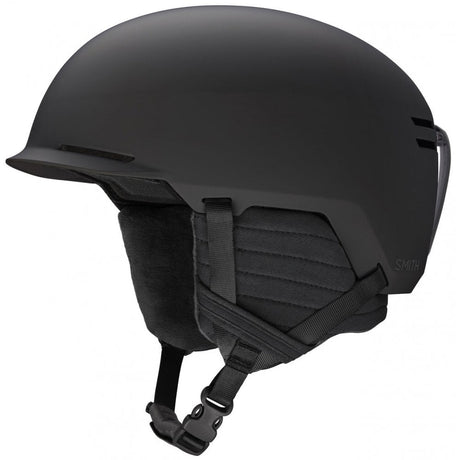
We also find that wearing a helmet helps as when you lift your goggles off your face and place then on the helmet, there is significant less heat in the helmet then there would be if you were placing them onto a beanie. In addition to this, it's advisable to look with a helmet with decent ventilation.
Our goggles start at about £50 for an entry pair. If you want one with a couple of lenses that connect to the frame with magnets you could look at the Anon M6

5: Skimping on Protection and Spending Everything on the Board
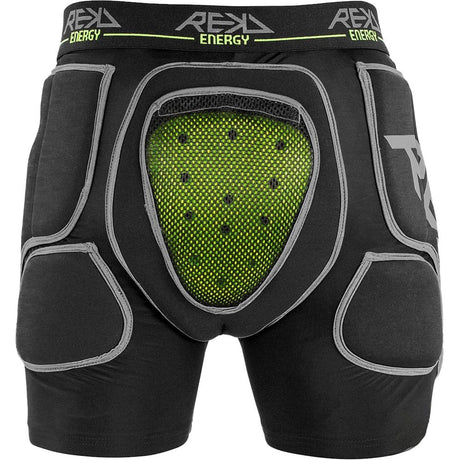
We see this a lot, someone blows their entire budget on a snowboard and then doesn't have enough left for decent protection, like a helmet or impact shorts. The board won't hurt you when you fall. The ground will.
There are lots of different types of snowboard protection on the market, covering pretty much every part of your body. Personally, I always wear a helmet, a back protecter and impact shorts.
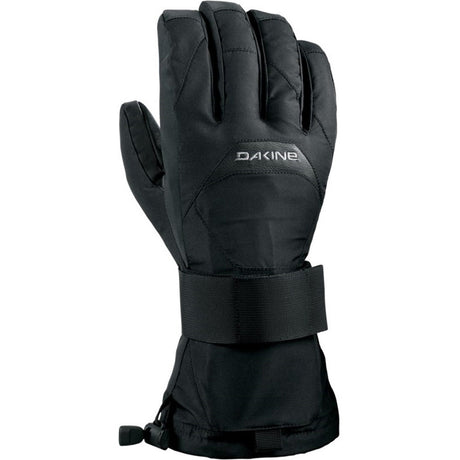
It's also worth noting that wrist fractures are one of the most common snowboard injuries — the instinct to catch yourself is almost impossible to override. A good wrist guard can make the difference between a bruise and a break.
**The fix:** Budget for protection from the start. A helmet, wrist guards and impact shorts don't cost much, they add next to nothing to your luggage weight, and they mean you can ride more aggressively with confidence. We stock a range of options in the shop to suit every budget.
The Bottom Line
Great snowboarding doesn't come from the most expensive gear — it comes from the *right* gear for *your* body, your level, and your riding style. That's something we've believed since day 1, and it's why we take the time to ask questions before we recommend anything. If you're putting together a new setup or just not sure whether your current kit is working for you, come in and see us. We'll give you an honest assessment — no hard sell, just good advice from people who ride.Shop Snowboard Bindings
View all-
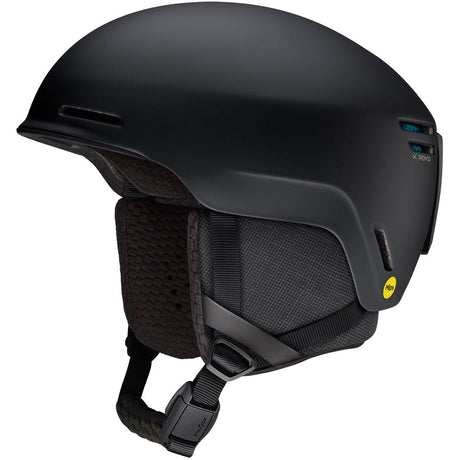 Regular price £159.95 GBPUnit price
 -
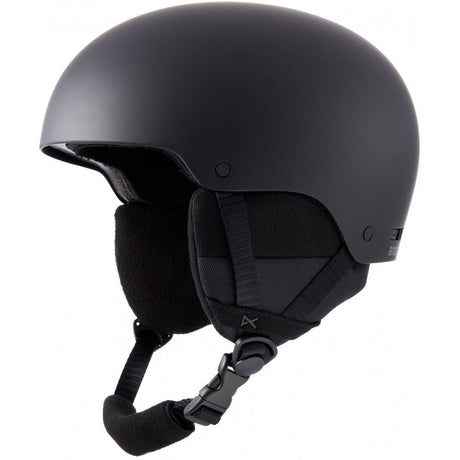 Regular price £79.95 GBPUnit price
 -
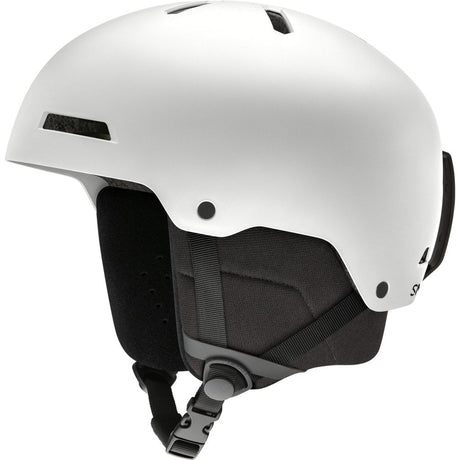 Regular price £74.95 GBPUnit price
 -
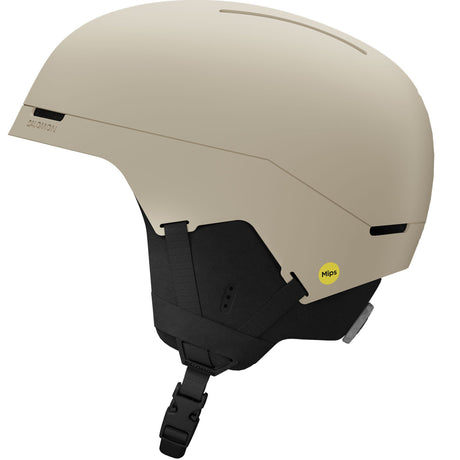
Salomon Brigade Index Mips Helmet
Regular price £149.95 GBPUnit price -
 Regular price £79.95 GBPUnit price
 -
 Regular price £54.95 GBPUnit price
 -
 Regular price £89.95 GBPUnit price
 -
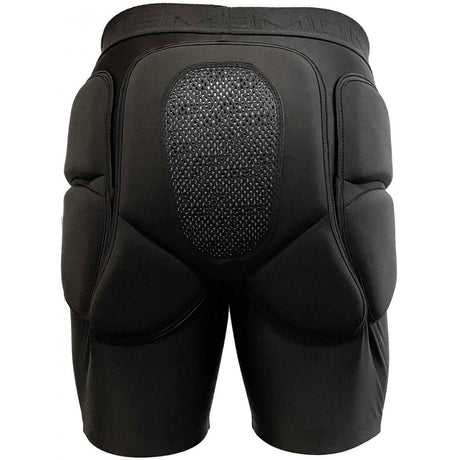
Demon Zero RF D3O Protection Shorts
Regular price £74.95 GBPUnit price
